Your cart is currently empty!
Shaft drive trouble shooting
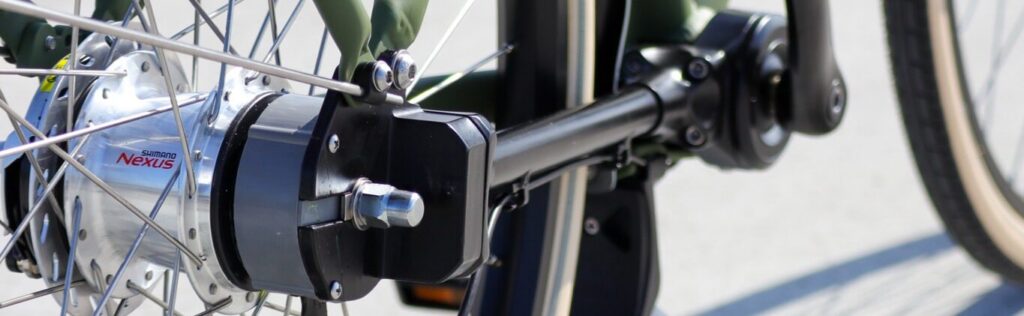
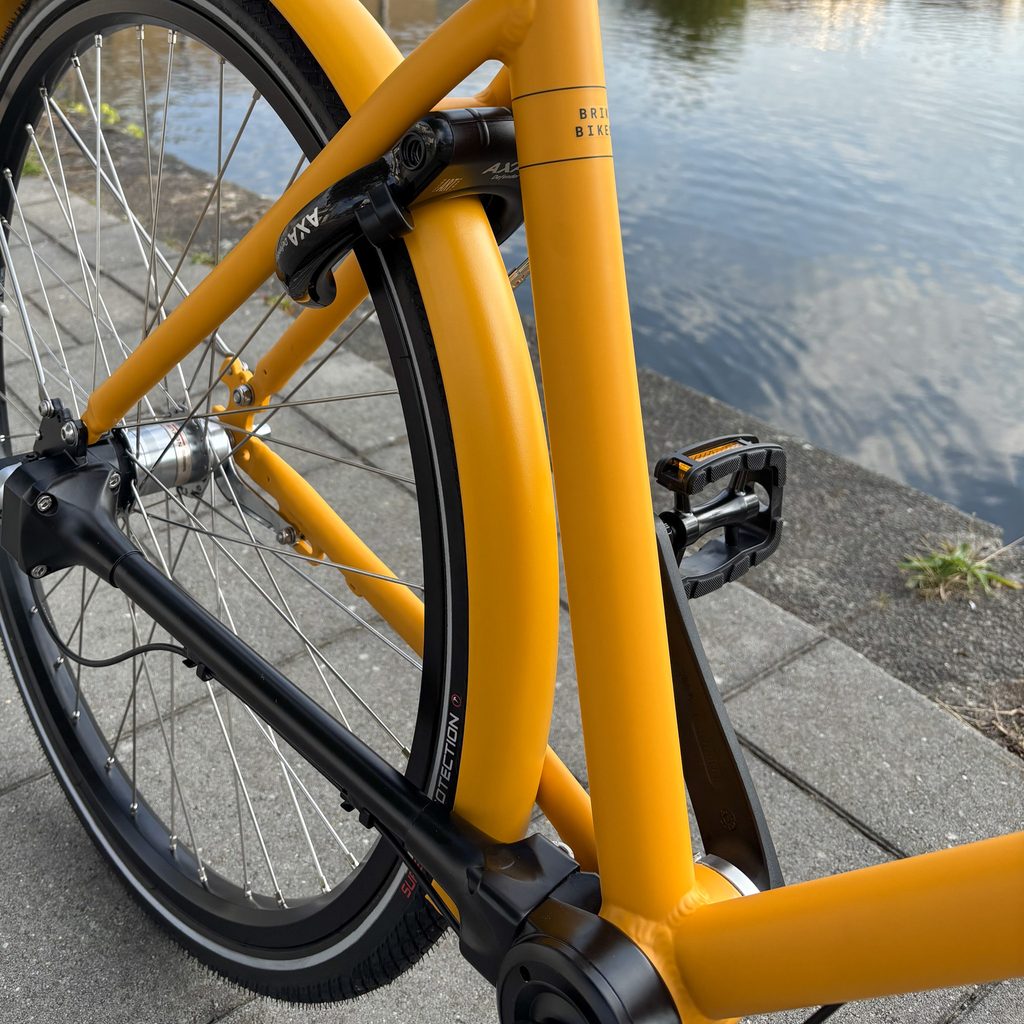
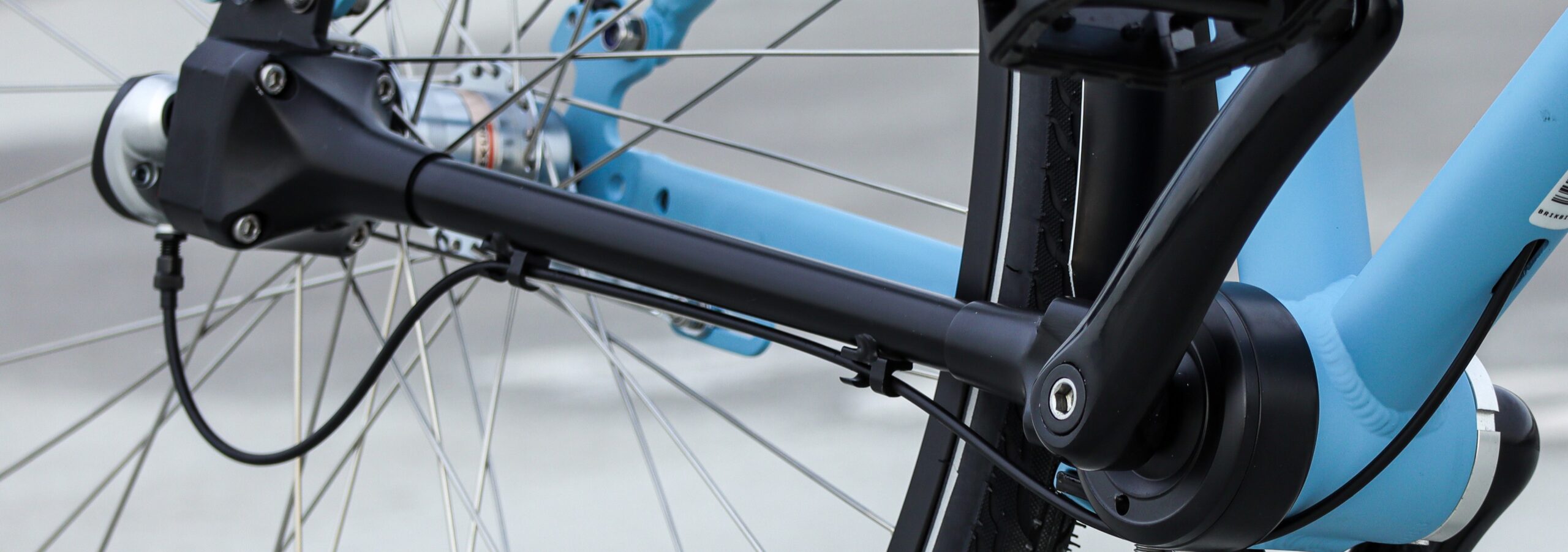
When a shaft-drive bicycle develops a drivetrain problem, attention often turns to the drive shaft. In practice, the cause is often incorrect assembly or adjustment rather than the drive shaft itself.
We recommend following checks to locate the problem:
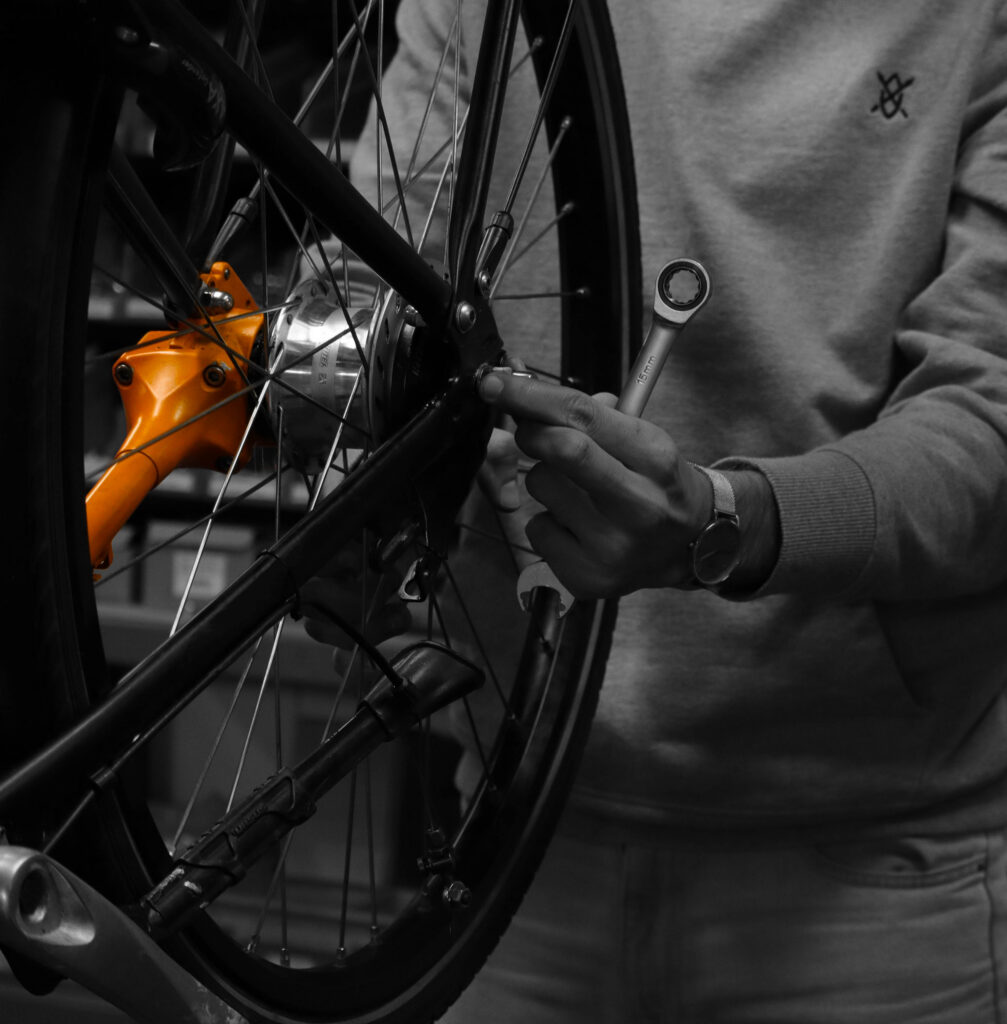
Check that the axle nuts are tight.
If the axle nuts are slightly loose, the gear alignment changes. Misaligned gears can make the bicycle harder to pedal or cause vibration or resonance. It is therefore essential that the axle nuts are firmly tightened.
Check the gear adjustment.
The most common complaint is that the pedals slip under load. Many people assume the drive shaft is the cause, but in most cases the gears are out of adjustment. Over time, even a correctly adjusted gear cable can stretch, changing the gear adjustment. If the pedals slip, check the gear adjustment.
Remove rear wheel and turn the drive shaft.
Removing the rear wheel lets you check whether the drive shaft turns smoothly. Turn the crank rather than the pedal when checking it: pedal bearings can also wear and give a misleading result. A smoothly running drive shaft should have no perceptible clicks or vibrations and no excessive resistance.
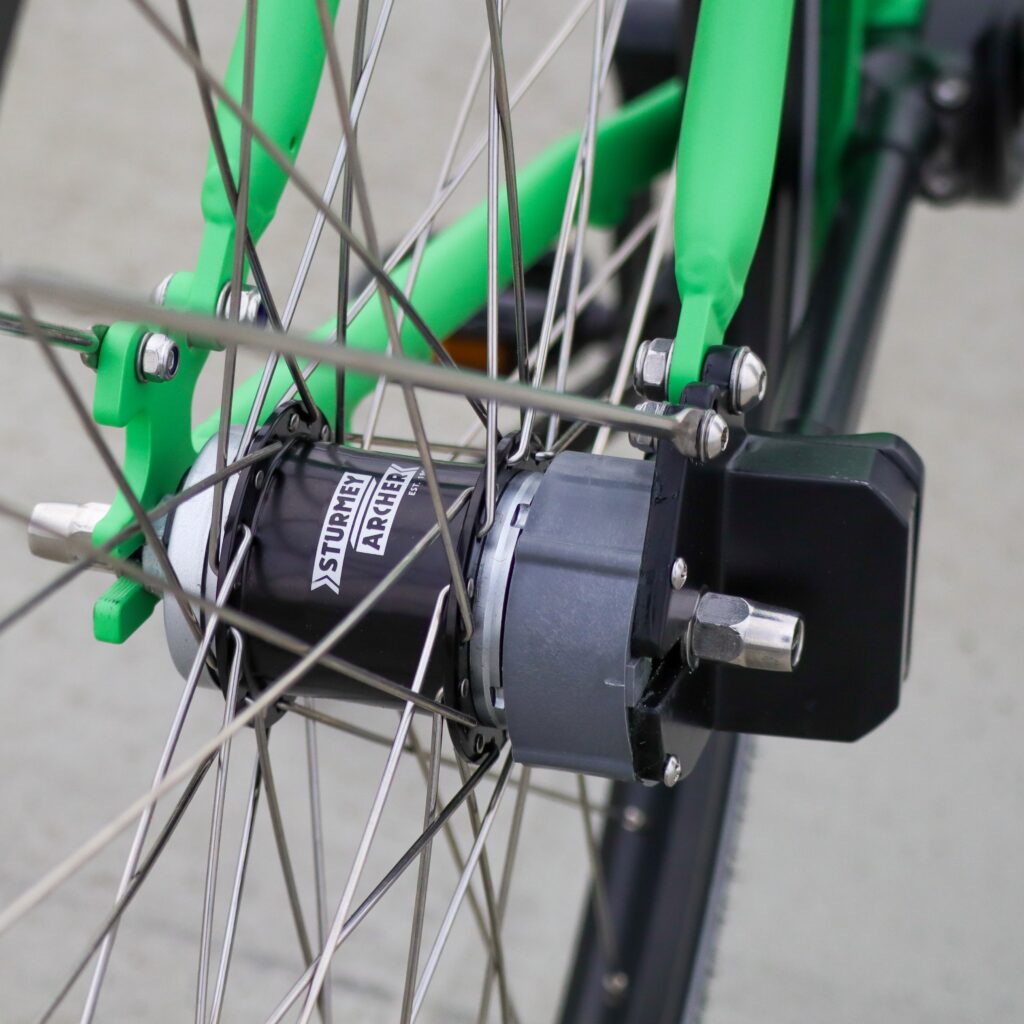
Check if the gear on the hub is fitted correctly.
Check that the gear is mounted straight on the hub. If it is fitted at an angle, it will also mesh at an angle with the gear inside the drive shaft housing.
For 7- or 8-speed hubs: check that the cassette joint is fitted correctly.
When checking the cassette joint, pay attention to two things: whether its locking ring is secure and whether the locking tabs on the hub are worn. These tabs can wear because considerable force acts on the cassette joint. If they are worn, the cassette joint will not stay securely in place and shifting will be poor.
Check that the correct number of spacers is fitted to the hub.
Aligning the gears is precision work; some spacers are only 0.4 mm thick. This shows why correct rear-wheel adjustment matters. During maintenance or repair, it is essential to keep the adjustment exactly the same and refit all spacers in their original quantities.
Check that the hub itself runs smoothly.
We sometimes receive bicycles with play in the hub. When this happens, the hub no longer works properly. This can cause wear and allow the pedals to slip under load.
Check the tyre pressure.
Tyre pressure is one of the most important maintenance checks. Underinflated tyres make the bicycle much harder to pedal and increase the risk of cracks in the tyres.
Check the inner and outer brake cables for rust or cracks.
If the outer brake cable housing develops cracks, it can deteriorate and allow the inner cable to rust. A rusty inner cable can stick, leaving the brake engaged even when the brake lever is not pressed.
Do you need more help
Let us know.